

Network Security
Proactive network security helps detect vulnerabilities early, reducing the risk of data breaches or downtime, while supporting compliance with data protection standards and maintaining stable, reliable IT operations.
Many organisations face the challenge of balancing productivity with robust security and companies often struggle with managing user permissions across multiple platforms. We have supported clients by implementing network security that reduces confusion and eliminates overlapping access rights to ensure every employee has the correct level of access while protecting data from unwanted access.

Network Security Made Easy
Network security is fully managed from start to finish, covering setup, monitoring and rapid action when risks appear. Secure configurations are put in place to protect your network from day one, with continuous monitoring to spot unusual activity early. When threats are detected, action is taken quickly to reduce risk, limit disruption and keep your business running smoothly.
Our process remove the stress of handling online threats by watching for risks and reacting quickly when needed. Our team manages the details, preventing problems before they disrupt your work, keeping your business safe and running smoothly.
Network Security with ITERTECH

Protection
Strong network security protects company data from theft and misuse, keeping customer information private and systems reliable. It prevents downtime, builds trust and supports ongoing business growth through safe, stable operations.

Productivity
Secure networks reduce disruptions caused by cyber threats or system failures, allowing staff to work without interruption. Fewer delays mean smoother operations, improved teamwork and better overall performance across the business.

Trust
When systems are secure, staff. customers and partners feel confident sharing information and working with your business. Clear safety measures show commitment to protecting data, helping to strengthen long-term relationships and reputation.
Get Started with Network Security
Give ITERTECH a call to see if Network Security is right for you and your business.

The Technology Behind Network Security
Zero Trust Architecture
Zero Trust Architecture redefines network security by removing the idea of a trusted internal network. Every access request, whether from inside or outside the organisation, must be authenticated, authorised and encrypted. This model assumes potential compromise and therefore focuses on strict verification and minimal access privileges.
Implementing Zero Trust involves identity-based access controls, multi-factor authentication and continuous session validation. Network segmentation and behavioural analytics further strengthen defences by monitoring unusual activity and preventing lateral movement between systems. Together, these measures create a security framework that adapts dynamically to threats.


Intrusion Detection
Intrusion detection systems (IDS) monitor network traffic to identify suspicious patterns or policy violations. They analyse data packets in real time, comparing them against known threat signatures and behavioural baselines. When anomalies are detected, alerts are triggered for further investigation or automated response.
IDS technologies fall into two main categories: signature-based and anomaly-based detection. Signature-based systems rely on databases of known attack patterns, while anomaly-based models use machine learning to flag unusual behaviour. Combining both approaches improves accuracy and reduces false positives.
Effective intrusion detection depends on visibility, context and integration with broader security infrastructure. When paired with security information and event management (SIEM) platforms, IDS data supports rapid response and incident correlation across the entire environment.
Security Automation
Security automation uses software tools to handle repetitive or complex protection tasks without constant human input. It speeds up threat detection, incident response and system maintenance while reducing the chance of human error. Automated processes help teams focus on analysis and strategic improvement instead of manual investigation.
Automation platforms integrate with existing systems such as firewalls, SIEM tools and endpoint protection. They gather and correlate data from multiple sources, enabling quicker identification of potential risks. When a threat is confirmed, automated workflows can isolate devices, block connections or trigger alerts instantly.
As threats evolve, automation ensures consistent enforcement of security policies across cloud and on-premise environments. It allows organisations to scale defences effectively, maintain compliance and respond to attacks in real time.
More Than Just Network Security
Many of our clients who use Network Security also benefit from a variety of complementary services designed to optimise performance, protect data and support growth.
Explore these additional solutions now to strengthen your IT infrastructure and stay ahead of the curve.

Security Operations Centre
A Security Operations Centre protects businesses from the growing risk of cyber threats by providing constant monitoring and quick response. It detects unusual activity before it becomes a major incident, helping to prevent data breaches and downtime.

Endpoint Security
Without strong endpoint security, even a single compromised device can expose sensitive information and disrupt productivity.

SIEM and SOAR
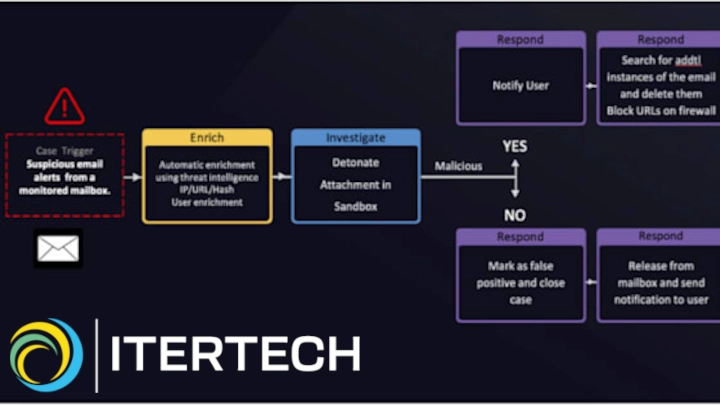
SIEM and SOAR provide the intelligence and automation needed to detect, analyse and respond to threats quickly

Penetration Testing
Our network penetration testing simulates real-world attacks, revealing security gaps before criminals exploit them.
Network Security FAQs
Do you still have questions about Access Control Lists? We’ve answered the most frequent questions that we’re asked below!
What is network security?
Network security is the practice of protecting computer networks and the data they carry from unauthorised access, damage or misuse. It involves the use of both hardware and software tools, as well as policies and procedures, to ensure that only approved users and systems can connect to or exchange information within a network. The main goal is to maintain the confidentiality, integrity and availability of data. Confidentiality means keeping information private and preventing unauthorised disclosure. Integrity ensures that information is not altered or tampered with. Availability means that data and systems are accessible when needed by authorised users.
A secure network relies on multiple layers of defence, where each layer addresses a different type of threat. These layers include physical security, such as controlling access to network hardware and digital security, such as encryption, authentication and firewalls. Firewalls act as barriers between trusted internal networks and external or untrusted sources like the internet, controlling the flow of data based on predefined rules. Encryption converts data into unreadable code during transmission, ensuring that even if information is intercepted, it cannot be understood without the proper decryption key.
Network security also involves constant monitoring for irregular or suspicious activity. Intrusion detection and prevention systems help identify possible attacks or policy violations, while antivirus and antimalware software protect against harmful programs that can spread through a network. Access control measures, such as requiring unique usernames and passwords or using multi-factor authentication, further protect sensitive data by ensuring only authorised individuals can reach specific systems or files.
Good network security is essential for both businesses and individuals. It helps protect personal information, financial details and intellectual property from theft or damage. Without it, networks become vulnerable to attacks that can lead to data loss, identity theft or disruption of critical services. As cyber threats continue to evolve, maintaining effective network security requires regular updates, monitoring and employee awareness to reduce risk and ensure that data remains safe and reliable.
How does network security work?
Network security works by using a series of technologies, rules and processes designed to protect data as it travels across or is stored within a network. It relies on a layered approach, where each layer focuses on a different type of protection. The outermost layer, often called perimeter defence, includes firewalls and routers that monitor traffic entering and leaving the network. These devices filter out unauthorised or suspicious data based on predefined rules, allowing only safe traffic through. This first line of defence helps to prevent attacks before they reach internal systems.
Beyond the perimeter, internal network security tools provide continuous monitoring and protection. Intrusion detection and prevention systems (IDS and IPS) analyse traffic for abnormal behaviour or known threat patterns. When they identify something unusual, they alert administrators or automatically take action, such as blocking the source. Antivirus and antimalware programs scan for harmful software that can damage systems or steal information. Encryption adds another layer of protection by converting readable data into coded text, ensuring that even if it is intercepted, it cannot be understood without the proper decryption key.
Access control is a key component of how network security functions. It ensures that only authorised users and devices can reach certain areas or data within the network. This is typically managed through authentication methods like passwords, digital certificates or multi-factor verification. Role-based permissions can also limit access based on a user’s job function, reducing the potential damage if an account is compromised. Security policies, combined with user education, help maintain consistency and awareness across the organisation.
Modern network security also includes regular software updates and patch management to address vulnerabilities. Many networks use automated tools to apply updates and detect weak points before they can be exploited. Security information and event management (SIEM) systems bring together data from multiple security tools to provide a full view of network activity. By combining technology, processes and human oversight, network security works continuously to protect data, maintain privacy and keep systems running safely and efficiently.
Why is network security important?
Network security is important because it protects the data, systems and communications that organisations rely on every day. Without effective security, networks are vulnerable to attacks that can disrupt operations, steal information or damage hardware and software. Cyberattacks can come from many sources, including hackers, viruses, malware and their impact can range from minor inconvenience to complete business shutdown. Strong security measures ensure that sensitive data remains private, accurate and available to those who need it. This includes customer details, employee records, intellectual property and financial information.
A major reason network security matters is its role in maintaining trust. Businesses depend on customers, clients and partners to share information securely. If that information is exposed or misused, the damage to reputation can be long-lasting. Data breaches often result in legal consequences, financial loss and loss of public confidence. Having reliable security practices in place shows that an organisation takes responsibility for protecting data seriously. It also supports compliance with data protection laws such as the UK’s Data Protection Act 2018 and the General Data Protection Regulation (GDPR), which require organisations to safeguard personal information and report breaches promptly.
Network security also plays a vital part in ensuring business continuity. Modern organisations rely heavily on digital systems to manage communication, operations and transactions. When networks are compromised, even short periods of downtime can lead to missed deadlines, financial loss and operational chaos. Security tools such as firewalls, intrusion prevention systems and data backups help keep services running smoothly by stopping or limiting the impact of attacks. Regular updates and monitoring ensure that systems remain prepared against new and evolving threats.
Finally, effective network security supports the long-term stability and growth of an organisation. It allows staff to work confidently, knowing that their systems and data are safe. By reducing the risk of attacks and disruptions, businesses can focus on innovation and service delivery rather than recovery and damage control. In short, network security is not just about protection—it is about preserving reliability, trust and the foundation on which modern business depends.
What are the types of network security?
Network security includes several types of protection that work together to keep data safe and systems running smoothly. Each type focuses on a specific area of defence, helping to create multiple layers that prevent or reduce the impact of attacks. The most common forms of network security are firewalls, intrusion detection and prevention systems, access control, antivirus and antimalware software and encryption. Together, these tools form a comprehensive approach that guards against both external and internal threats.
Firewalls are one of the oldest and most essential forms of network security. They act as a barrier between trusted internal networks and untrusted external ones, such as the internet. By filtering incoming and outgoing data based on a set of rules, firewalls block unauthorised access while allowing legitimate communication. Next-generation firewalls can also inspect data packets at a deeper level to identify malicious activity, offering protection against modern and complex attacks.
Access control ensures that only authorised users and devices can connect to the network or access certain data. This may include passwords, digital certificates or multi-factor authentication, where users must confirm their identity in more than one way. Network access control (NAC) systems can automatically block or restrict devices that do not meet security standards, such as those missing updates or using insecure connections. Antivirus and antimalware tools then protect individual devices from harmful software that can spread across networks and compromise sensitive data.
Encryption and intrusion detection systems (IDS) add another layer of protection. Encryption converts readable data into an unreadable format, keeping it secure while being transmitted or stored. Intrusion detection systems monitor network traffic for suspicious behaviour or patterns that could indicate an attempted attack. These systems alert administrators or automatically take action to limit damage. Other types of network security, such as virtual private networks (VPNs), cloud security and email filtering, play supporting roles in defending against phishing, data theft and system breaches. Together, these technologies form the foundation of a reliable and secure network environment.
What is the difference between IDS and IPS?
An Intrusion Detection System (IDS) and an Intrusion Prevention System (IPS) are both tools used to monitor network traffic and identify suspicious activity, but they function in slightly different ways. An IDS acts as a monitoring system, analysing network traffic and alerting administrators when it detects potential threats or policy violations. It observes data passing through the network and compares it against a database of known attack patterns or unusual behaviour. However, it does not take direct action to block or stop the attack — instead, it focuses on detection and notification.
An IPS, on the other hand, goes a step further by actively preventing attacks as they occur. Like an IDS, it monitors traffic and identifies suspicious behaviour, but it can also take immediate action. This might include dropping malicious packets, blocking traffic from specific IP addresses or resetting connections that appear to be part of an attack. Because it operates in-line with network traffic, the IPS can automatically respond to threats in real time, reducing the window of exposure and limiting potential damage.
The key difference between the two lies in their roles: IDS is passive, while IPS is active. IDS provides valuable insight into potential vulnerabilities and attack attempts, often feeding its findings into a central security monitoring system such as a Security Information and Event Management (SIEM) platform. IPS systems are more proactive, stopping threats before they can impact the network. Many modern solutions combine both IDS and IPS functionality in a single platform, offering the benefits of both monitoring and automatic defence.
In practice, both systems are most effective when used together. IDS helps detect complex or evolving threats that may not match known patterns, while IPS automatically blocks more straightforward attacks. Together, they create a layered defence strategy that improves both visibility and protection. This combination allows security teams to respond quickly to incidents while maintaining detailed insight into how attacks occur and evolve over time.