

Web Hosting
Web hosting problems often stem from hosting providers that lack the infrastructure to support growing businesses. With dependable web hosting, clients experience faster loading speeds, enhanced security and smooth scalability as their online presence expands.
Our web hosting services have helped clients overcome website downtime and performance bottlenecks. By using optimised servers and proactive monitoring, we ensure that websites stay online even during peak traffic. Customers have seen improved page load times, stronger protection against cyber threats and consistent user experiences across devices.

Web Hosting Made Easy
Managing web hosting should never feel complicated or time-consuming. With intuitive control panels and responsive support, web hosting becomes simple for businesses of all sizes. Every aspect from setup to management is designed to save time while maintaining reliability and performance.
Clients can easily update content, monitor performance and scale resources without needing advanced IT knowledge. With expert guidance and 24/7 support, businesses maintain control and confidence while focusing on their goals.
Web Hosting with ITERTECH

Reliability
Consistent uptime keeps businesses visible and trusted by their customers. Reliable hosting prevents website crashes and data loss, ensuring every visitor experiences smooth access and uninterrupted performance.

Scalability
Flexible hosting resources grow alongside the business. As traffic increases, additional bandwidth and storage can be added effortlessly, ensuring consistent speed and performance without disruption or downtime.

Cost-Effectiveness
Affordable hosting solutions reduce operational expenses while maintaining high performance. Businesses benefit from transparent pricing, predictable costs and access to premium features without the need for expensive in-house infrastructure.
Get Started with Web Hosting
Give ITERTECH a call to see if web hosting is right for you and your business.

The technology behind Web Hosting
End-to-End Encyrption
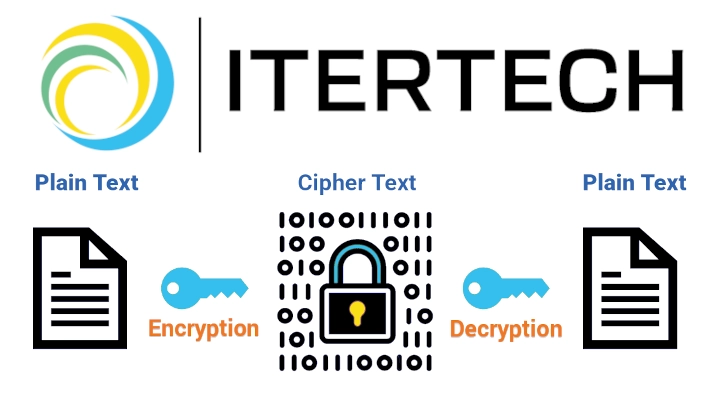
End-to-end encryption protects data throughout its entire journey between the user’s device and the hosting server. Every interaction from logins, transactions or form submissions, is encrypted so that only authorised endpoints can read it. This eliminates the risk of interception or manipulation during transmission.
Encryption certificates verify that a website is legitimate and secure. This process assures users that their information remains private and prevents malicious impersonation or tampering with website data. We automate certificate deployment and renewal through integrated tools such as Let’s Encrypt, saving you the cost and headache of certificate management.
Load Balancing
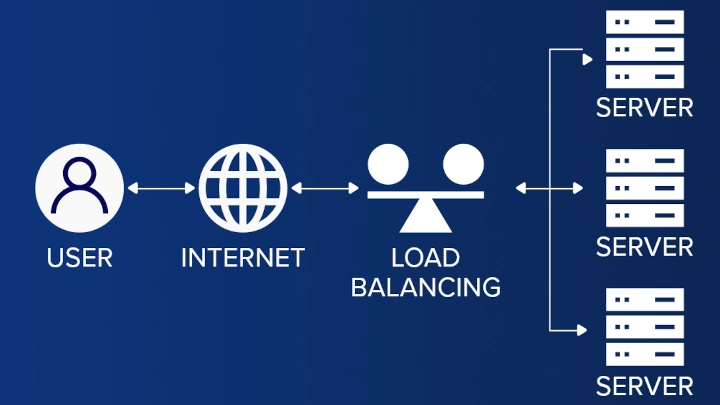
Load balancing distributes incoming traffic across multiple servers to maintain optimal performance and prevent overloading. By evenly managing requests, it ensures that websites remain responsive even during traffic spikes or hardware failures. This setup enhances both availability and fault tolerance across hosting environments.
Modern load balancers operate on Layers 4 and 7 of the OSI model, managing both network-level and application-level traffic. They use algorithms such as round-robin, least connections and IP hash to determine how requests are routed efficiently.
In advanced configurations, load balancers continuously monitor server health and automatically reroute requests away from unresponsive nodes. This maintains uptime and delivers a seamless experience to end users..
Snapshots
Snapshots create point-in-time images of a server or virtual machine, capturing its current state, configuration and stored data. They allow administrators to restore a system quickly in the event of corruption, failed updates or data loss. This ensures business continuity and reduces downtime during critical incidents.
In virtualised hosting environments, snapshots can be automated and scheduled at regular intervals. This provides a consistent recovery framework and aligns with compliance requirements for data protection and disaster recovery.

More Than Just Web Hosting
Many of our clients who use us for Web Hosting also benefit from a variety of complementary services designed to optimise performance, protect data and support growth.
Explore these additional solutions now to strengthen your IT infrastructure and stay ahead of the curve.

Remote IT Support
Get access to certified UK-based IT Professionals with our Remote IT Support service. Delivering scalable, cost-effective service tailored to your business needs.

Endpoint Security
Without strong endpoint security, even a single compromised device can expose sensitive information and disrupt productivity.

Microsoft 365
Don’t deal with inefficiencies and increased costs. See how Migrating to the cloud can transform your business.

VoIP Systems
Businesses of any size can leverage advanced features and provide clients with a professional communication interface.
Web Hosting FAQs
Do you still have questions about Web hosting? We’ve answered the most frequent questions that we’re asked below!
What is Web Hosting?
Web hosting is a service that allows individuals and organisations to make their websites accessible on the Internet. Every website is made up of files—such as images, code, videos and text—that need to be stored on a physical device known as a server. A web hosting provider supplies this server space and the technology required to keep websites connected to the Internet around the clock. When someone types a website’s domain name into their browser, their device connects to the host server, which then delivers the stored content for viewing.
There are several types of web hosting services designed to meet different needs. Shared hosting involves multiple websites residing on one server, making it a cost-effective choice for small projects or blogs. Virtual Private Server (VPS) hosting offers more control and dedicated resources within a shared environment, suitable for growing businesses. Dedicated hosting provides an entire server for one user, giving full administrative control and high performance. Cloud hosting, a newer model, distributes a website across several interconnected servers, ensuring flexibility and reliability.
The quality of a hosting service can affect how well a website performs. Server uptime, bandwidth capacity and storage speed all influence page loading times and user experience. Reliable hosting ensures websites remain online, while poor hosting can cause frequent outages or slow performance. Most providers also include features such as domain registration, security certificates, backup systems and technical support to maintain consistent service.
Web hosting plays a vital role in Internet functionality. It acts as the foundation upon which websites are built, enabling users worldwide to access information, services and online tools. Without hosting, a website’s content would exist only locally and could not be reached by others. As technology evolves, hosting has become more secure and efficient, supporting everything from personal blogs to large-scale e-commerce platforms.
How Does Web Hosting Work?
Web hosting works by storing a website’s files and data on a specialised computer known as a web server, which is always connected to the Internet. When a user enters a website address into their browser, a request is sent through the Domain Name System (DNS) to locate the corresponding server. The server then retrieves and transmits the required files back to the user’s browser, which displays the website’s pages. This process happens in seconds and relies on stable network connections, data routing and server uptime.
Each website hosted on a server has a unique Internet Protocol (IP) address, but most users connect through domain names for ease of access. Hosting providers maintain these servers in secure data centres equipped with backup power, climate control and network redundancy. These facilities ensure websites remain online and perform efficiently. Depending on the hosting type—shared, VPS, dedicated or cloud—the server resources may be divided among multiple users or reserved for one.
In shared hosting, many websites share the same physical server and its resources. This setup is efficient but can lead to slower speeds if one site uses excessive bandwidth. VPS hosting divides a single server into virtual sections using hypervisor technology, giving users dedicated resources and more control. Dedicated hosting allocates an entire server to one client, providing maximum power, security and flexibility. Cloud hosting distributes data across multiple servers connected through a network, ensuring scalability and resilience. If one server fails, others immediately take over to maintain uptime.
Web hosting also involves software management and security layers. Web servers use software such as Apache, Nginx or Microsoft IIS to process requests and serve content. Security tools like firewalls, SSL certificates and intrusion detection systems protect data from unauthorised access. Hosting providers monitor performance metrics, apply updates and back up data to prevent loss. Altogether, these components ensure that websites remain fast, secure and continuously available to users around the world.
Why Is Web Hosting Important?
Web hosting is important because it provides the foundation that allows websites to be accessible to users anywhere in the world. Without a hosting service, a website’s files would remain stored locally on a single device, invisible to others. Hosting connects those files to the Internet, ensuring that anyone who enters a domain name can reach the site reliably and quickly. It enables online visibility, which is essential for communication, business, education and digital services.
Reliable web hosting also supports performance and user experience. Fast, stable servers reduce loading times, which directly affects visitor satisfaction and search engine rankings. When a hosting provider maintains consistent uptime and efficient resource management, it ensures that a website is always available, even during periods of high traffic. For organisations, this reliability builds trust and credibility, as users expect websites to load without interruption.
Security is another crucial reason why web hosting matters. A good hosting environment uses firewalls, encryption and regular updates to protect data from unauthorised access or attacks. Many hosting services include Secure Sockets Layer (SSL) certificates, which encrypt communication between the user and the server. This not only safeguards sensitive information such as passwords or payment details but also enhances trust by showing that the website takes security seriously.
Scalability and data management also make hosting vital for modern businesses. As traffic grows, hosting platforms can expand resources such as storage, memory or bandwidth to meet demand. Many hosts offer automated backups, disaster recovery options and content delivery networks (CDNs) to improve global performance. In essence, web hosting acts as both the infrastructure and the engine of a website—keeping it online, secure and responsive. Without it, even the best-designed site cannot reach its audience or function effectively.
What Are the Different Types of Web Hosting?
Web hosting is available in several types, each suited to different technical needs, budgets and levels of control. The main types are shared hosting, Virtual Private Server (VPS) hosting, dedicated hosting and cloud hosting. Each type determines how server resources—such as processing power, memory and storage—are allocated to websites and how much administrative access the user has.
Shared hosting is the most common and economical option, where many websites share one physical server and its resources. This setup works well for smaller websites or blogs that receive moderate traffic. However, because resources are shared, performance may decline if one site consumes more than its share. Maintenance, updates and security patches are typically managed by the hosting provider, making this a low-maintenance solution.
VPS hosting provides a middle ground between shared and dedicated environments. A single physical server is divided into multiple virtual servers, each with dedicated resources and independent operating systems. This isolation improves performance, stability and security compared to shared hosting. Users can also install custom software or configurations without affecting other sites on the same server.
Dedicated hosting allocates an entire physical server to a single client. It offers complete control, high performance and stronger security. This option is ideal for large organisations, e-commerce platforms or applications that handle significant amounts of data and traffic. The trade-off is a higher cost and the need for technical expertise to manage the server effectively.
Cloud hosting distributes websites across multiple connected servers, allowing resources to scale dynamically based on demand. If one server fails, others automatically take over, ensuring reliability and uptime. This flexibility makes it suitable for growing businesses or websites with variable traffic patterns. Cloud hosting also integrates well with automated backups and global content delivery networks.
Choosing the right type of hosting depends on a website’s size, performance requirements and security needs. Understanding these options helps ensure that resources are used efficiently and that visitors receive a consistent experience.
What Is the Difference Between Web Hosting and a Domain Name?
A domain name and web hosting serve different but connected purposes. A domain name is the human-readable address that people type into a browser, such as www.itertech.co.uk, while web hosting is the service that stores the website’s files and makes them accessible on the Internet. Without hosting, a domain name would lead nowhere; without a domain name, a website would only be accessible by its numerical IP address, which is not user-friendly.
When a user enters a domain name, the request goes through the Domain Name System (DNS), which acts as the Internet’s address book. The DNS translates the domain into the IP address of the server that hosts the website’s files. The hosting server then delivers the website content back to the user’s browser. This process takes milliseconds and allows seamless navigation across the web.
Domain names are managed by registrars and can be purchased or transferred separately from hosting services. Many hosting providers also offer domain registration for convenience, but the two functions remain distinct. The domain system ensures each website has a unique and identifiable name, while the hosting infrastructure ensures that content is available and performs well.
Web hosting involves ongoing management, including server maintenance, backups and security updates. Domain names, by contrast, require renewal through registration bodies to maintain ownership. In short, the domain name directs users to a website’s location and the hosting environment provides the storage and connectivity that make the website visible online. Both are essential components of a functioning website, working together to connect users with digital content efficiently and reliably.